


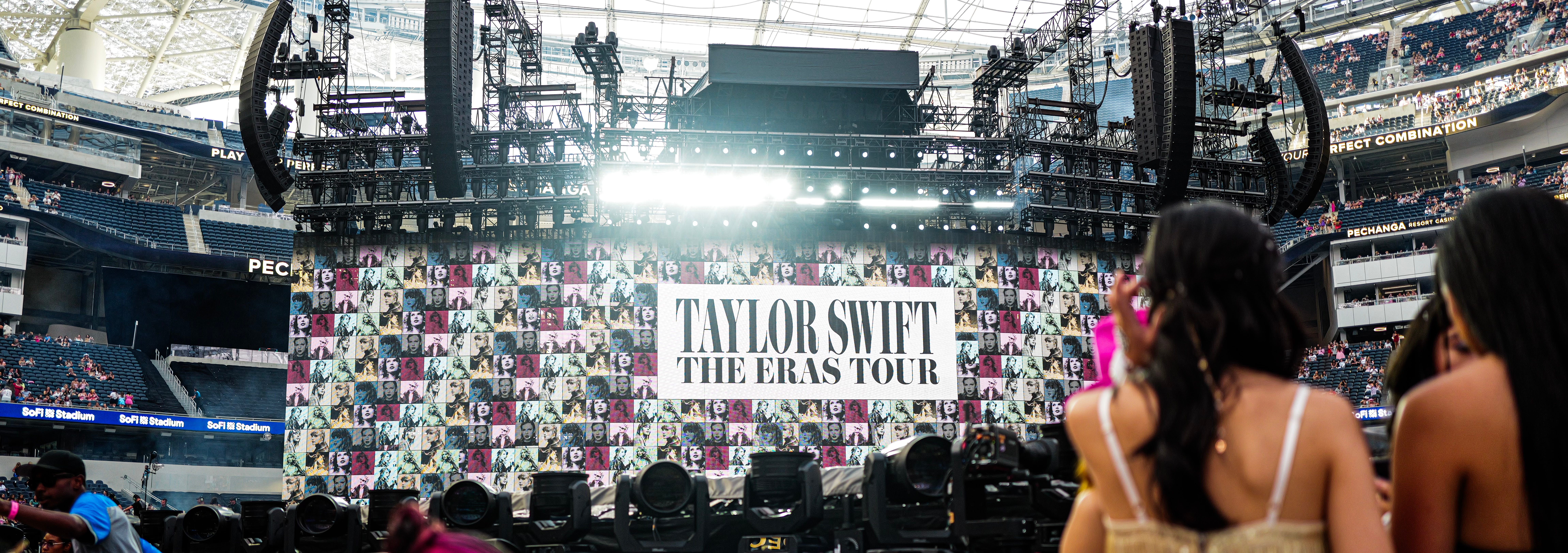
In the live-music business, Ticketmaster has become the anti-hero. As Taylor Swift might put it, “It’s me, hi”—the villain everyone expects to find whenever concert tickets are expensive, scarce or difficult to buy.
The company’s reputation is certainly not helped by the experience of watching a reasonably priced ticket swell during checkout, spending an evening trapped in an online queue, or discovering that hundreds of tickets to a supposedly sold-out show have appeared on resale sites at three times face value. There is plenty of bad blood between Ticketmaster and its customers.
Consumer frustration, however, is not an antitrust violation. Neither is corporate size, vertical integration or an irritating service fee. That distinction is in danger of disappearing as a coalition of state attorneys general seeks damages and potentially the separation of Live Nation from Ticketmaster.
The case began in 2024, when the Justice Department, dozens of states and the District of Columbia accused Live Nation of controlling too much of the live-entertainment business, from concert promotion and amphitheaters to artist relationships and primary ticketing. The government depicted the company as a mastermind operating a self-reinforcing monopoly machine in which control of one part of the concert business produced dominance in every other part.
Before trial, U.S. District Judge Arun Subramanian found a considerable blank space in some of the government’s case. He rejected several proposed markets, excluded portions of the government’s expert testimony and dismissed some claims. What survived centered on Ticketmaster’s position in primary ticketing for major concert venues, Live Nation’s control of large amphitheaters, and allegations that artists seeking to use those amphitheaters were effectively required to buy Live Nation’s promotion services.
Shortly after the trial began in March 2026, the Trump Justice Department announced a proposed consent decree with Live Nation. It is not yet a final judgment; it remains subject to court approval under the Tunney Act, although Live Nation is already bound by its terms under an interim stipulation.
The proposed decree would require Ticketmaster to create technology allowing major venues using its back-end system to distribute primary tickets through competing marketplaces. It would limit fully exclusive ticketing contracts to four years, require Ticketmaster to offer nonexclusive alternatives, prohibit retaliation and content steering, open Live Nation amphitheaters to competing promoters, and cap Ticketmaster service fees at 15 percent for tickets sold at those amphitheaters. It would also terminate Ticketmaster’s agreement with Oak View Group, impose information firewalls, authorize extensive monitoring, and require Live Nation to terminate or modify arrangements that give it control over 13 large amphitheaters designated as Divestiture Venues. The decree would last eight years and permit penalties of $5 million for each violation involving a major concert venue.
That is not a getaway car. It is substantial relief aimed at the conduct the government said obstructed competition. But it is important not to romanticize how the agreement came about.
The Wall Street Journal has reported that President Trump personally directed a senior Justice Department official to settle the case after White House meetings involving Live Nation. The report also described the involvement of lawyers and political figures close to the president. Those allegations have not been adjudicated, but they deserve scrutiny. They prevent defenders of the company from treating the proposed decree as conclusive proof that career antitrust officials independently decided a breakup was unnecessary.
The political provenance of a settlement does not answer the economic question, however. A remedy can emerge from an irregular process and still be better for consumers than the alternatives. The court must decide whether the decree restores competition, and the states must explain what additional consumer benefit would come from dismantling the company.
More than 30 state and district plaintiffs continued the trial after the Justice Department withdrew. On April 15, a unanimous jury found Live Nation and Ticketmaster liable on every federal and state claim submitted to it. The jury concluded that Ticketmaster had unlawfully maintained monopoly power in primary ticketing at major concert venues, that Live Nation had monopolized the use of large amphitheaters, and that it had unlawfully tied access to those venues to its promotion services. It also found that qualifying consumers in 22 states had been overcharged by $1.72 for each covered primary concert ticket.
Live Nation has asked Judge Subramanian to set aside the verdict or grant a new trial, and it has challenged the expert analysis behind the damages award. If those motions fail, the company has said it will appeal. The separate proceeding on damages and equitable relief, including any structural remedy, is expected to extend into 2027. No breakup has been ordered.
The states may be tempted to say, “Look What You Made Me Do.” Yet a liability verdict does not automatically establish that divestiture is the proper remedy. Before separating companies the federal government allowed to merge 16 years ago, the court should ask what a breakup would accomplish that the proposed conduct restrictions would not.
It is not enough to demonstrate that Live Nation is large or that Ticketmaster has a high share of primary ticketing at major venues. The Sherman Act does not prohibit monopoly in the colloquial sense. It prohibits obtaining or maintaining monopoly power through exclusionary conduct. The remedy should stop that conduct and restore competition without sacrificing efficiencies that benefit consumers.
Live Nation’s vertically integrated structure should not itself be presumed unlawful. Concert promotion, venue management and ticketing are complementary businesses. Combining them can lower coordination costs, spread the considerable risks of concert promotion, finance tours, support investment in ticketing technology and make national and international tours easier to organize. The government must distinguish those efficiencies from genuine exclusion rather than assume that every advantage produced by integration is unfair.
Consider Ticketmaster’s exclusive contracts with venues. To an ordinary consumer, “exclusive” sounds sinister. But venues generally prefer one integrated ticketing and box-office system. They solicit bids and select one provider, much as a retailer chooses a single point-of-sale system. Ticketing companies compete through technology, customer support, upfront payments and divisions of service-fee revenue. Competition for an exclusive contract is still competition, and exclusivity can force bidders to make their best offers. Judge Subramanian himself recognized that exclusive agreements can produce substantial procompetitive benefits.
The case has also been distorted by the folklore surrounding ticket prices. Artists and their representatives generally set or approve face prices and decide whether to use tools such as dynamic pricing. Venues frequently receive a substantial portion of ticketing fees. Ticketmaster is visible at the moment of purchase, so it absorbs anger for decisions made throughout the concert business.
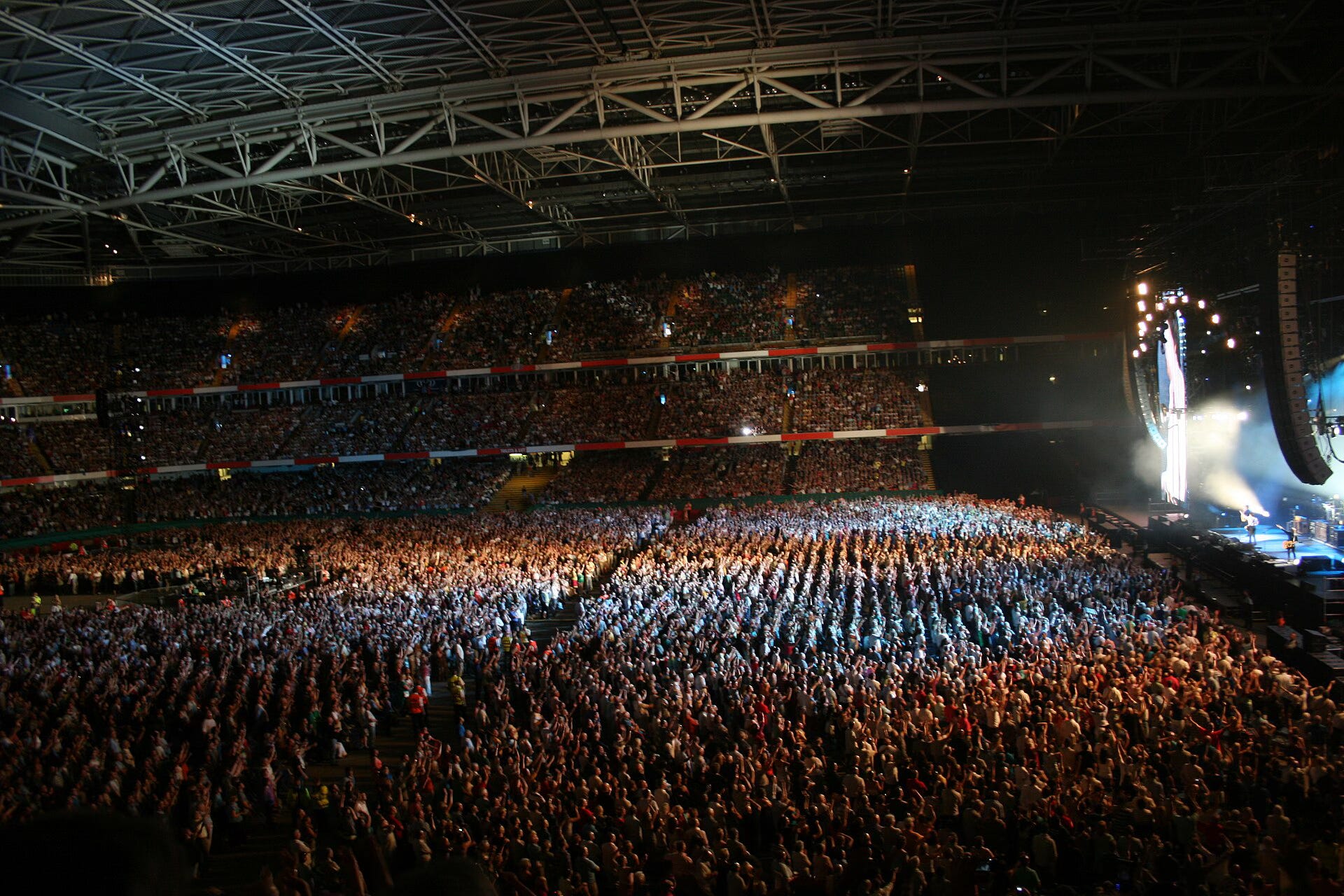
Enormous demand for a limited number of seats also creates scarcity that no antitrust decree can eliminate. Separating Ticketmaster from Live Nation will not create another 50,000 seats for a Taylor Swift concert. Even in the states’ wildest dreams, a federal judge cannot repeal supply and demand.
The jury’s damages finding illustrates the difference between popular anger and proven antitrust injury. Consumers may encounter service charges of $20, $30 or more, but the jury attributed $1.72 per covered ticket to the unlawful conduct. That amount can become substantial when multiplied across millions of transactions and then trebled. It does not establish that Ticketmaster’s monopoly explains the entire cost of attending a concert, and it applies only to a defined group of purchases in 22 states, not to every ticket Ticketmaster sold.
Live Nation cannot simply shake off the evidence against it. The 2010 merger decree prohibited retaliation against venues choosing competing ticketing services, and the Justice Department strengthened that decree in 2020 after alleging repeated violations. A unanimous jury has now found exclusionary conduct after hearing weeks of evidence. Any credible defense must acknowledge those facts.
An injunction and a breakup remain very different things. Targeted relief can prohibit retaliation, coercive tying and unnecessarily restrictive contracts while preserving the efficiencies of Live Nation’s integrated business. The proposed federal decree attempts to do that. Its terms, rather than the politics surrounding its negotiation, should be measured against the consumer welfare standard.
The states’ victory entitles them to relief, but not necessarily to the most dramatic relief imaginable. Antitrust remedies should restore competition, not reward prosecutors or redesign an industry according to an idealized structure. A court considering divestiture should require evidence that separation will improve prices, output, innovation or service quality. It should also weigh the risk that dismantling the company will increase costs, disrupt tours, reduce investment and leave fans facing the same scarcity and resale problems under different corporate logos.
Breakup advocates have been vague about their end game. Would an independent Ticketmaster stop charging fees? Would artists lower their prices? Would venues surrender their portion of the charges? Would brokers abandon the resale market? Would competing platforms manage enormous on-sales more effectively? The verdict does not answer those questions, and neither does the public’s well-earned dislike of Ticketmaster.
Live Nation may have crossed legal lines, and substantial relief is warranted unless the verdict is overturned. But the law still requires a remedy connected to the competitive harm that was proved. A breakup could become a cruel summer for the company while doing little for concertgoers.
Live Nation may deserve an injunction. It has not yet been shown to deserve dismemberment. Before the states pursue their wildest dreams of breaking it apart, they should prove that their remedy, and not merely their verdict, will leave consumers better off.