


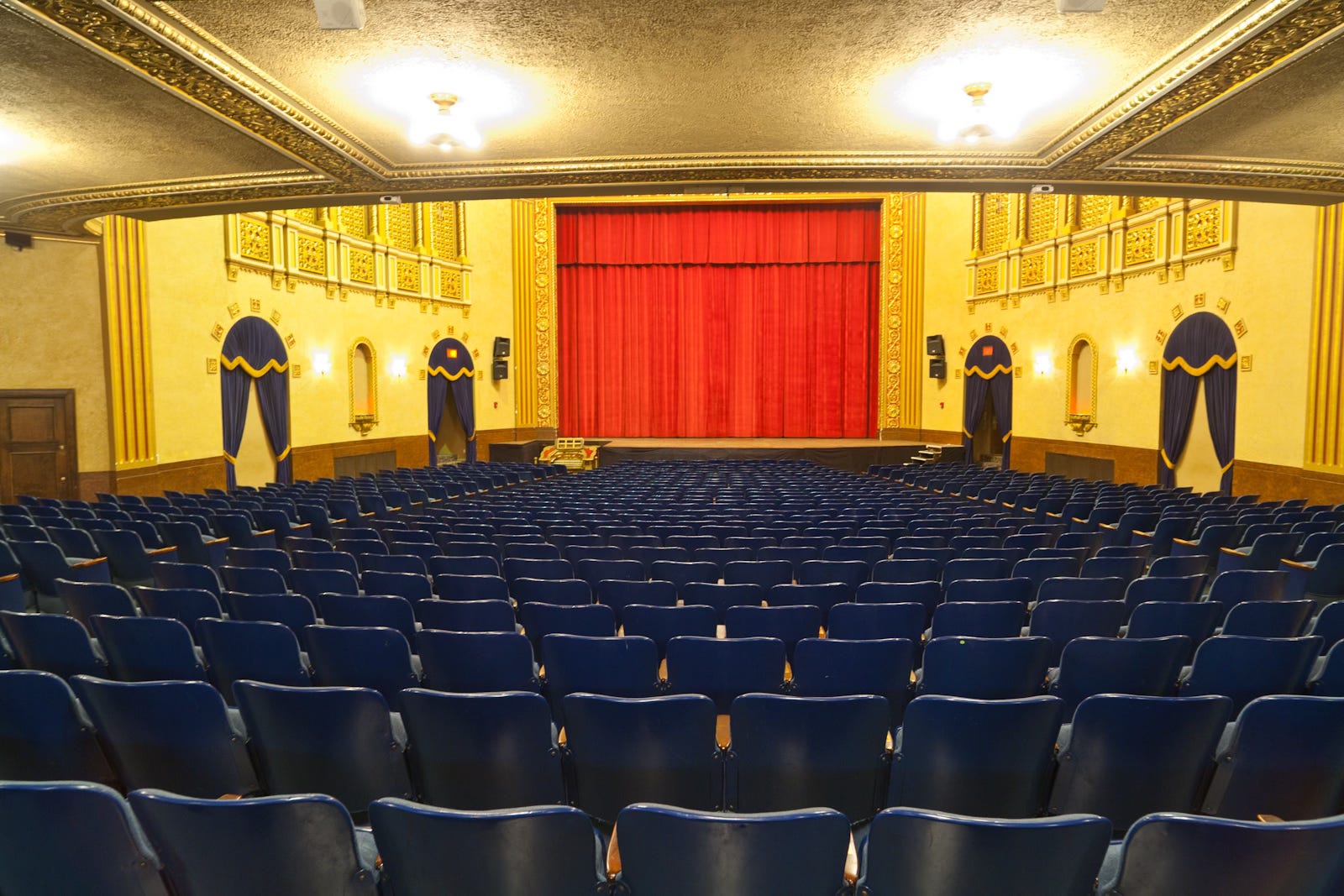
I attended a chamber music concert in Charlottesville on Saturday night that began with Samuel Barber’s Adagio for Strings and ended with Beethoven’s Piano Trio in E-flat Major, Op. 70, No. 2. Between them came Steve Reich’s Different Trains, a 27-minute work for string quartet and prerecorded tape. The Barber was beautiful. The Beethoven was a delight. The Reich produced groans, visible restlessness and, eventually, departing audience members.
The three works did more than represent different periods and styles. They embodied almost incompatible ideas of what music is supposed to do. Barber reaches for the emotions through melody and mounting harmonic tension. Beethoven gives us invention, wit, and the pleasure of hearing instruments converse. Reich uses repetition, sampled speech and mechanical sound to create something closer to musical documentary. One asks to be felt, another to be followed, and the third to be decoded.
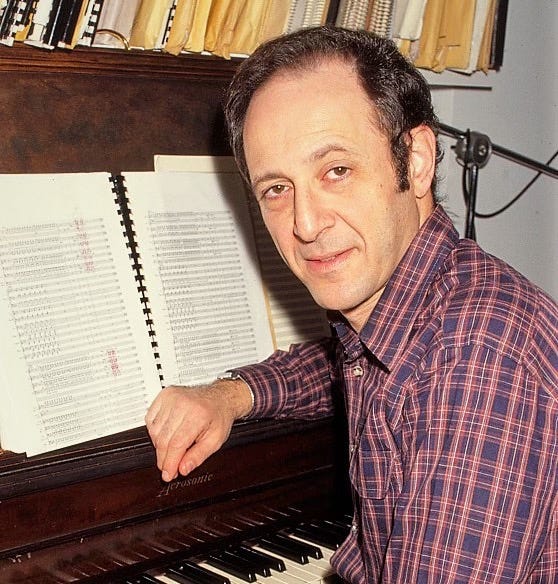
That reaction is worth thinking about, because Different Trains is not some graduate student’s experiment that escaped from the conservatory. Reich is one of the most honored American composers of the past half-century, and Different Trains is among his best-known works. Written in 1988 for the Kronos Quartet, it won a Grammy for best contemporary composition. Critics have praised it for decades as an important musical meditation on the Holocaust.
Its premises are serious and deeply personal. As a Jewish child whose parents had separated, Reich traveled by train between New York and Los Angeles from 1939 to 1942. He later reflected that, had he been living in Europe, he would have been riding very different trains. He assembled recordings of his governess, a retired Pullman porter and Holocaust survivors, along with train whistles, sirens, and the sounds of locomotives. The string players imitate the pitch and rhythm of the recorded voices.
I understand the idea. I admire the ingenuity. I respect the subject. I still found the result nearly unbearable. My daughter and wife had to suppress laughter when the music lovers seated behind us loudly barked, “Intermission! Thank God!” and made for the exit.
The strings scratched, pulsed, and repeated short phrases while disembodied voices announced dates and fragments of memory. Train sounds and speech competed with the players for attention. There was motion but, to my ear, little musical development, enormous historical weight but little beauty. It felt less like chamber music than an art installation one could not leave without climbing over one’s neighbors. Some people made that climb anyway.
Defenders of contemporary music have a ready answer to such reactions. Beethoven himself shocked listeners. Stravinsky provoked a riot. Great art need not soothe us, and audiences accustomed to familiar harmonies must sometimes be challenged. All true. But these observations have hardened into a convenient doctrine under which the audience can never be right. If listeners are moved, the work has succeeded. If they are repelled, it has challenged their complacency. Either response becomes proof of greatness.
That leaves no room for the most ordinary critical judgment: perhaps the audience understood the work well enough and disliked it. Difficulty is not depth. Dissonance is not courage. A grave subject cannot confer musical merit by itself. The Holocaust deserves remembrance but invoking it does not place a composition beyond aesthetic judgment. Indeed, the dignity of the subject should make judgment more exacting, not less.
Here lies the paradox. Classical music cannot survive by offering only the familiar. Musicians do not want to spend their lives playing the same fifty masterpieces, composers need performers willing to take risks, and audiences can discover pleasures they did not know they wanted. An art form that presents nothing new eventually becomes a museum. Yet an institution that makes novelty a duty, and regards audience discomfort as a badge of seriousness, may drive away the people on whom the living art depends.
The standard programming solution is to place the challenging work between two beloved pieces, rather as one hides medicine in a dog’s dinner. The hope, presumably, is that listeners attracted by Barber and Beethoven will have their ears enlarged by Reich. Sometimes that must happen. Exposure matters, and an initially difficult work may reward a second or third hearing. But there is a revealing hint of coercion in the arrangement. The audience is free to choose the concert, but not the aesthetic experiment embedded inside it
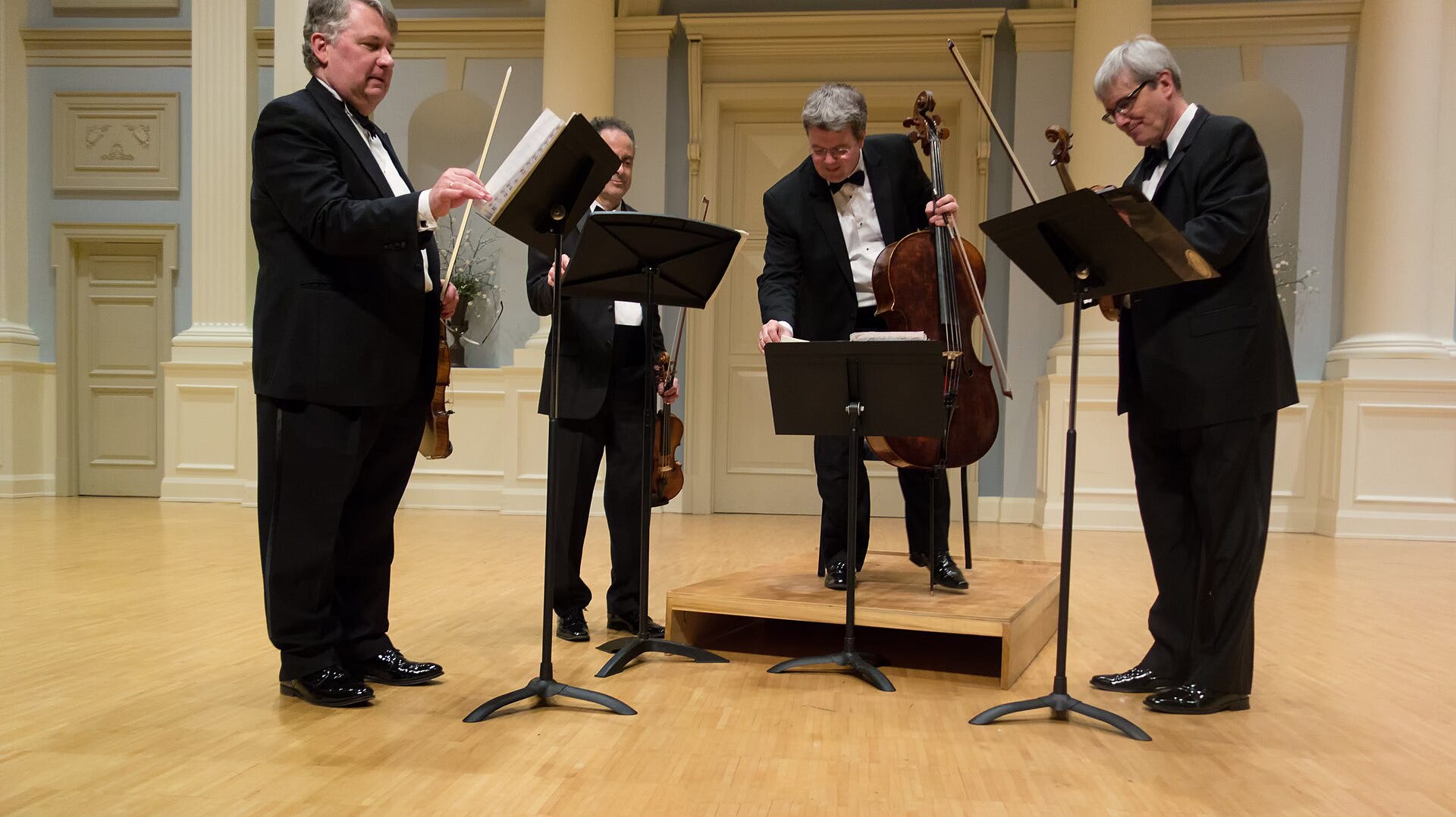
.The Charlottesville program made the contrast almost comically stark. The festival’s description promised “profound emotion, innovation, and timeless beauty.” The words treated three radically different experiences as parts of a harmonious whole. Innovation was certainly present. Timeless beauty was more difficult to locate during the train whistles, sirens, recorded voices, and insistent repetition. The audience was being asked to accept that all three works delivered the same goods by different means. Many listeners plainly did not.
Why do programmers persist when audiences react as this one did? Partly because they sincerely believe in the music. Partly because institutions feel responsible for enlarging the repertory. But there is also a culture of prestige in which challenging the audience is considered braver than pleasing it. The composer, performers and programmers possess the approved vocabulary; the customer possesses only a ticket and a pair of ears. When the two disagree, professional opinion usually acquits itself.
This attitude is especially dangerous for classical music, which already worries about aging audiences and empty seats. The desire to please an audience and the desire to expand its tastes need not be enemies. A thoughtful program can do both. But programmers should recognize the point at which education turns into correction, as though listeners who came seeking beauty must be taught why beauty is an inadequate ambition. People who pay for an evening of chamber music are not enemies of culture. Treating their response as ignorance, rather than information, is an odd way to cultivate them.
None of this means festivals should abandon contemporary music or program only pieces guaranteed to please. Present the Reich, by all means. Explain what it is. Pair it with other experimental work and invite the audience that wants that experience. Or place it in a program like Saturday’s but accept the verdict when listeners give one. Artistic risk includes the risk of failure. That principle should apply to celebrated composers as readily as to unknown ones.
The musicians on Saturday performed with formidable skill. My quarrel is not with them, nor with Steve Reich’s motives. It is with the strange compact under which institutions may challenge audiences, but audiences must not challenge institutions in return. The people who groaned were making a critical judgment, however impolite its expression. The people who left were making an economic one.
The paradox remains. Classical music must change enough to stay alive, but it must also preserve the qualities that made people love it. A festival cannot enlarge an audience by treating the audience’s pleasure as artistically suspect. Perhaps the surest sign that classical music remains alive is that listeners still care enough to object. They should not be scolded for wanting music rather than a lecture delivered by locomotive. They should be heard.
Congratulations! You hit the nail on the head about how forcing classical music listeners to listen to a sometimes discordant modern selection may be contributing to lower attendance. The idea of only-modern programs makes perfect sense.