


Paid subscribers have access to the weekly Bork Report. Enjoy!
Robert Reich’s Ten Reforms—and the Question He Forgot to Ask
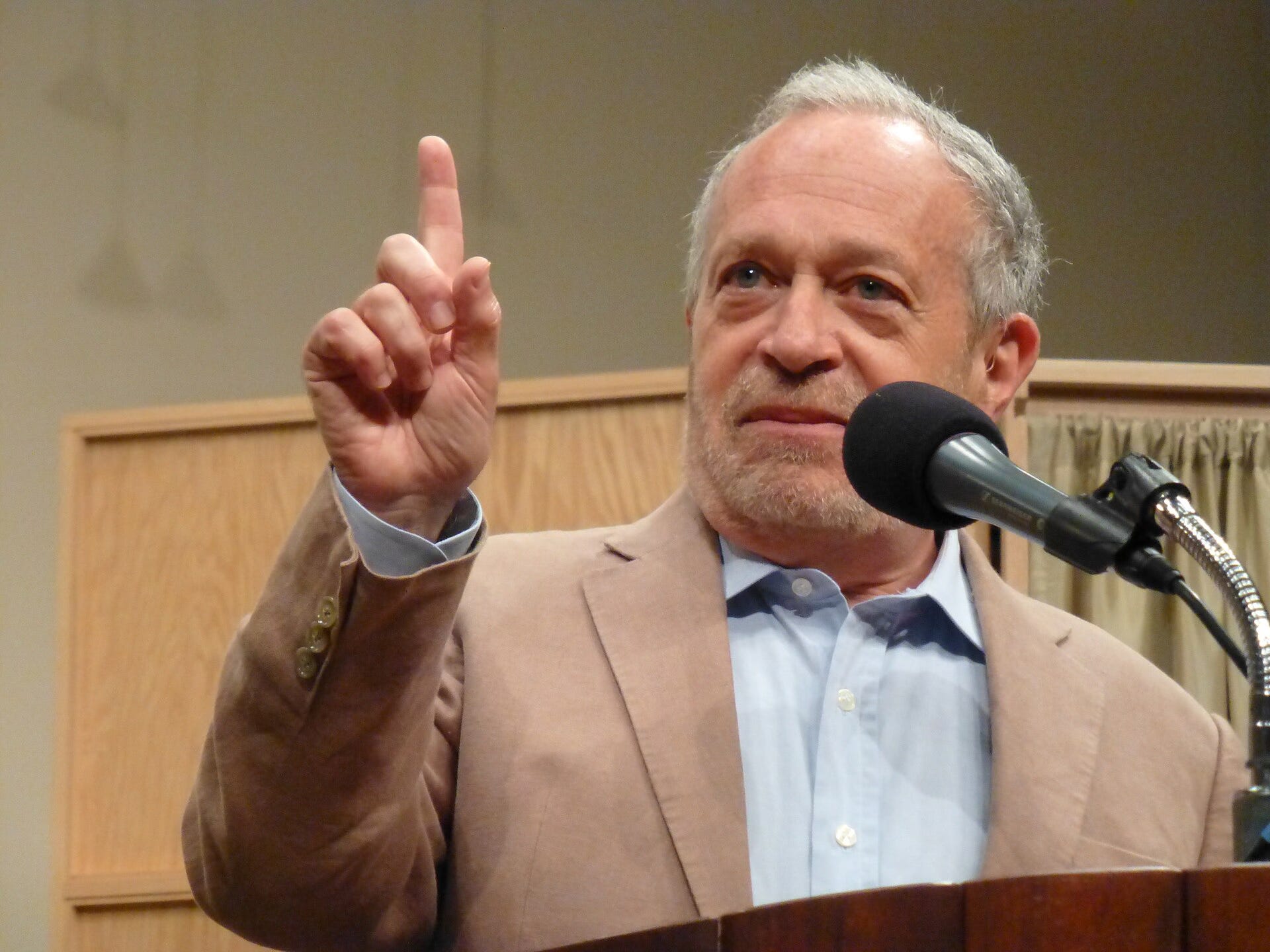
Robert Reich has a plan to fix American democracy. He offers ten “necessary structural reforms,” ranging from Supreme Court term limits and campaign-finance restrictions to a wealth tax and abolition of the Electoral College.
Some of the problems he identifies are real. Members of Congress probably shouldn’t be trading individual stocks. Racial discrimination in voting should be prosecuted. Presidents should not be ordering the Justice Department to prosecute their political enemies.
But the further I got into Reich’s list, the more I noticed something odd. For a man worried about the abuse of power, he has remarkable faith in government power—as long as it is lodged in the right hands.
Consider the Justice Department. There are good reasons to keep presidents out of individual criminal prosecutions. We have long relied on norms intended to do exactly that. But DOJ is still part of the executive branch. Make federal prosecutors effectively independent of presidential supervision and you haven’t eliminated political power. You have handed more of it to prosecutors. That presents its own problems.
