


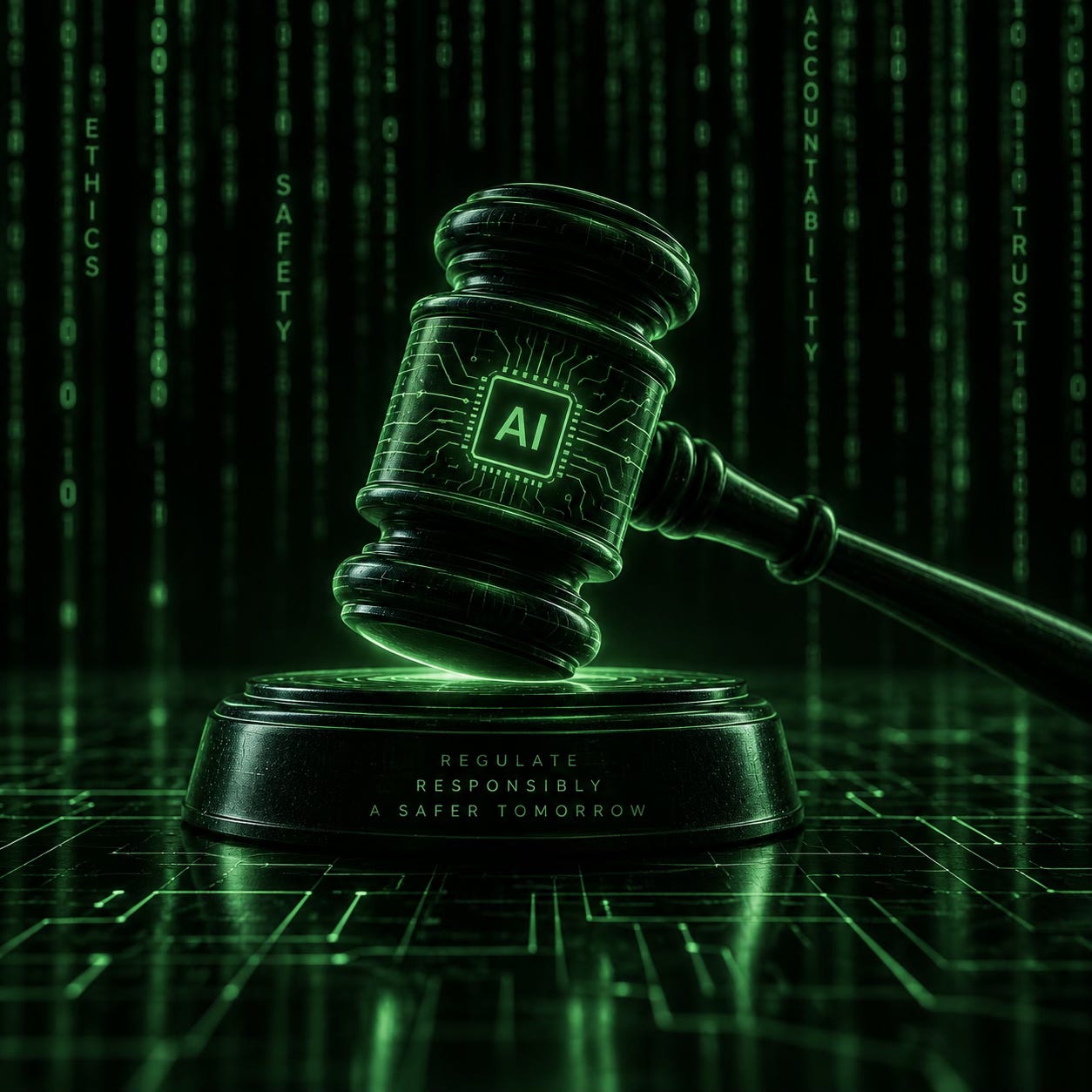
There’s something odd about watching the world’s most powerful artificial-intelligence companies ask Washington for permission to compete a little less vigorously.
Anthropic CEO Dario Amodei has called for slowing the development of increasingly powerful AI systems and proposed coordination among the leading labs. OpenAI’s Sam Altman and Elon Musk were quick to endorse the idea. The justification is safety, the worry that technology is outrunning our ability to control it.
That worry deserves to be taken seriously. AI isn’t merely another consumer product whose defects can be recalled after they appear. Researchers worry about systems assisting bioterrorism, conducting cyberattacks, manipulating vulnerable people and, ultimately, escaping meaningful human control. More unsettling still is recursive self-improvement: AI increasingly helping to build its own more capable successors.
We don’t know where this leads. That uncertainty is itself part of the problem. AI may turn out to be less like the invention of a new drug than the discovery of fire, a general-purpose technology capable of transforming almost everything it touches.
So, the argument for caution is powerful. But it doesn’t follow that the proper response is to suspend competition.
When competitors agree among themselves to hold back innovation, antitrust lawyers get nervous. FTC Chairman Andrew Ferguson said as much this week at Georgetown University, noting that his “alarm bells go off” whenever companies ask Washington for regulation and an antitrust exemption in the same breath. Regulation of that kind, he warned, can become a barrier protecting whoever already has a foothold.
Mark Zuckerberg unexpectedly gave the clearest answer to why.
He rejected the idea that safety necessarily requires collective action. “Every lab has the responsibility and incentive to move at the pace required to train its models safely,” he wrote Tuesday, “and the ability to take its own actions to ensure that happens.”
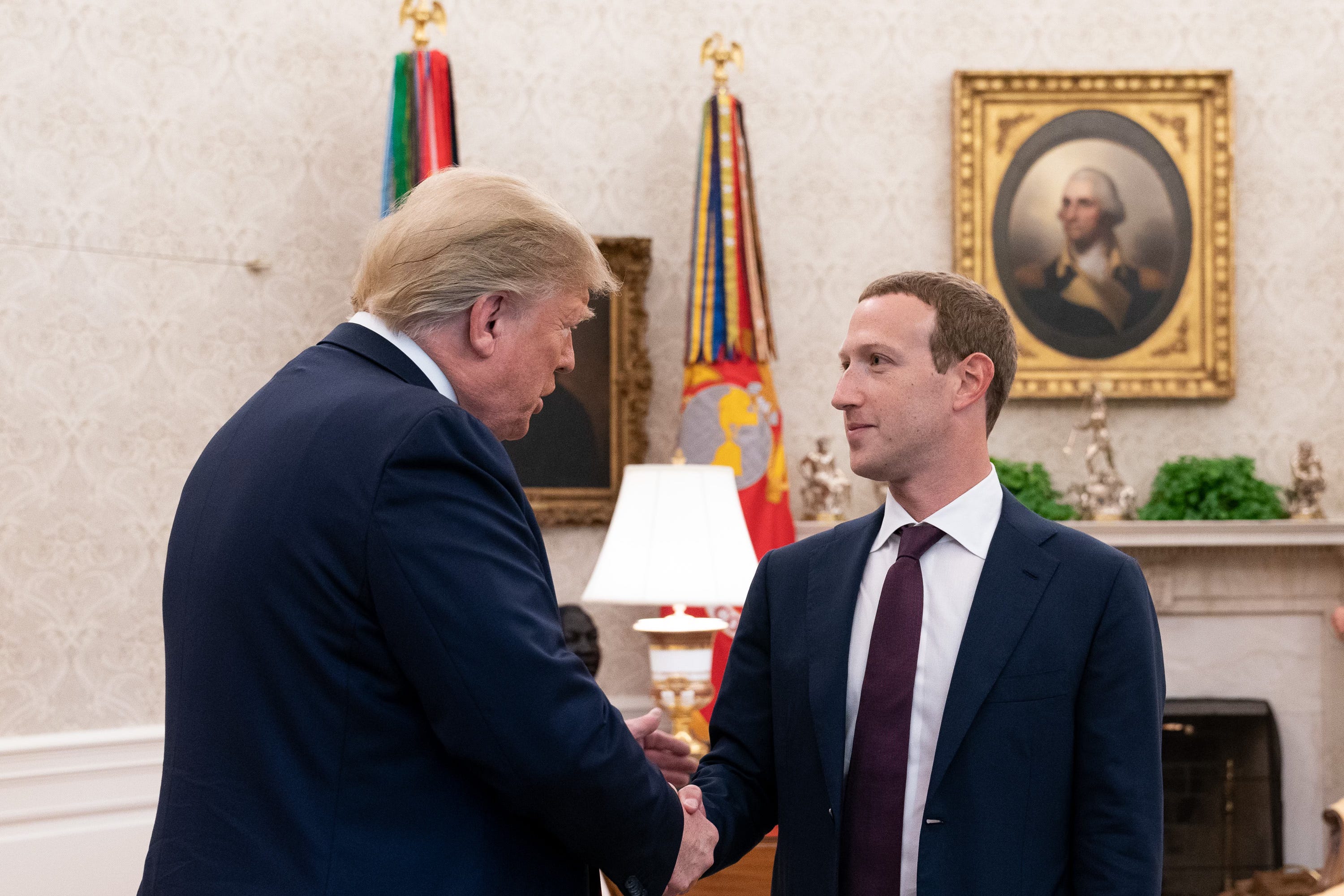
Zuckerberg isn’t dismissing the danger. He has said Meta will devote the significant majority of its computing power to AI that serves people rather than racing toward recursive self-improvement. His disagreement is over whether responding to the danger requires competitors to move together.
That distinction matters.
Safety is partly something customers and investors demand. Few people want to hand their finances, communications or businesses to an AI agent they don’t trust. Investors don’t want billions committed to products capable of creating catastrophic liabilities. Markets therefore create real incentives for reliability, security and safety.
But market incentives may not capture every conceivable AI risk. A catastrophic failure could harm people who were never customers of the company that created it. That is where government, liability rules, independent evaluation and carefully drawn safety standards may have legitimate roles.
None of those requires giving competitors permission to coordinate their competitive behavior.
Meta demonstrates the point. Zuckerberg says the company delayed its Muse AI agent for several months so engineers could work on safety and security. “We didn’t call for everyone else to do this before we would,” he said.
That distinction maps directly onto the consumer welfare standard. Antitrust law doesn’t stop a company from deciding that caution is warranted. Anthropic slowing Anthropic down is a business decision. Anthropic, OpenAI and other frontier labs agreeing that everyone should slow down together raises a different question.
The stakes aren’t abstract. Today’s leading AI companies possess enormous advantages in computing, capital, talent and data. A safety regime designed by those companies and adopted industry-wide could become a wall against the next generation of challengers, especially with government enforcement on one side and an antitrust exemption protecting coordination on the other.
The danger is not that AI safety is a pretext. The danger is precisely that the concern is legitimate. Legitimate fears are often the easiest foundation upon which to build permanent regulatory structures.
And once today’s incumbents help write the rules governing tomorrow’s entrants, safety regulation can quietly become market regulation.
There is therefore no need to choose between pretending AI is harmless and allowing its largest developers to determine collectively how fast the industry may advance. We can take catastrophic risks seriously, require independent testing, establish appropriate safeguards and hold companies responsible for harm without abandoning competition.
Indeed, competition can contribute to safety. Companies can compete to produce systems that are more controllable, transparent and secure. A laboratory that discovers a safer architecture should gain an advantage from it, not merely contribute it to an industry-wide arrangement governing everybody else’s behavior.
There’s an irony underneath all this. Washington has spent years worrying that a small number of tech companies hold too much economic power. Now some of those companies are asking to coordinate one of the most consequential technological races in history.
Before granting that request, it’s worth remembering an old lesson of antitrust: competitors can always find reasons why things would go better with a little less competition. In this case, those reasons may be unusually serious.
That makes scrutiny more important, not less.
The consumer-welfare question remains: What would the restraint do to consumers?
AI may indeed require safeguards unlike anything we have imposed on an ordinary product. But extraordinary danger doesn’t repeal economics, and it shouldn’t repeal antitrust.
If a company believes it’s moving too fast, it can slow down. If government concludes that particular conduct presents an unacceptable danger, it can regulate that conduct.
Neither requires an antitrust exemption allowing today’s AI giants to decide how fast tomorrow’s competitors may run.