


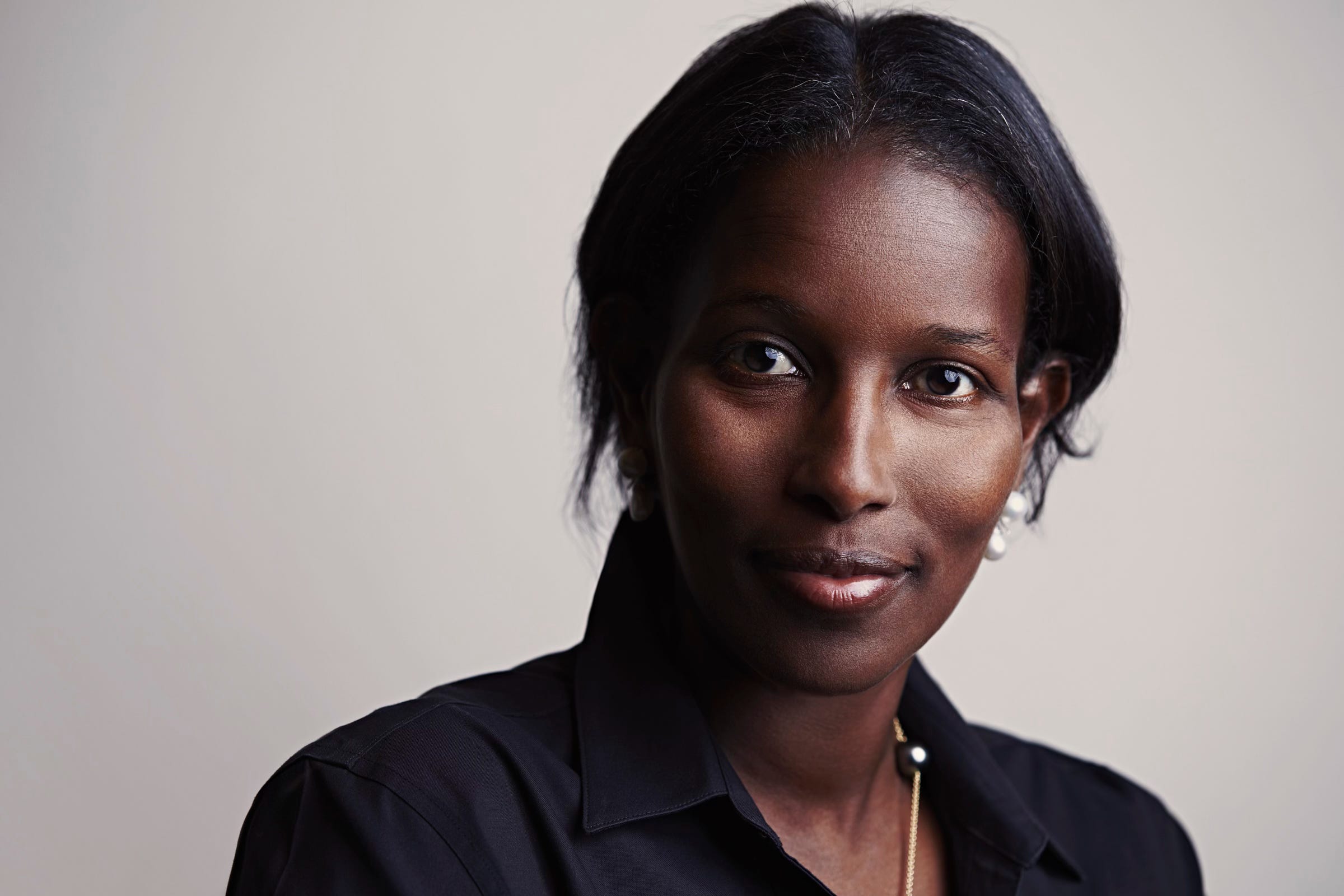
Many years ago, I had the pleasure of sitting next to Ayaan Hirsi Ali at a dinner. She was then, as she is now, a vibrant, fearless public intellectual. Having escaped an arranged marriage, renounced Islam, served in the Dutch parliament, and lived under threat of assassination, she had earned the right to be heard.
That evening, she conveyed to me the essence of the warning she now delivers in a remarkable essay in Tablet. I did not want to believe her then. I still do not want to believe her. But the case she makes can no longer be denied.
Hirsi Ali begins with Mohamed Atta, who lived comfortably in Germany before leading the 9/11 attacks. Western leaders have spent 25 years interpreting Islamist violence through familiar categories: poverty, humiliation, alienation, Western foreign policy, and failures of integration. Atta’s own words and conduct, she argues, point to a more unsettling explanation—religious conviction and a civilizational ambition to conquer the unbelievers.
From her own experience as a teenage member of the Muslim Brotherhood, Hirsi Ali understood what Western policymakers could not imagine—that the Brotherhood believed “the West was weak, and that they were strong.”
America responded to 9/11 by becoming highly proficient at finding and killing terrorists. But it has neglected the institutions, foreign funding, migration patterns, doctrines, and political alliances that can sustain Islamism as a “civilizational project” within Western societies.

Let me stress that Hirsi Ali’s argument is not that every Muslim is an Islamist. It is that Western leaders refuse to recognize profound conflicts between Islamist ambitions and the inheritance of the Reformation and Enlightenment. Our values of individual conscience, religious liberty, secular law, pluralism, and equality between men and women are anathema to Islamist ideology. Our openness can be exploited by those determined to use it to undermine Western democracies from within.
Contemplating the coming anniversary of 9/11, Hirsi Ali’s conclusion is stark: “We don’t have another 25 years to get this right.”
George Kennan’s “Long Telegram” and his subsequent Foreign Affairs essay, “The Sources of Soviet Conduct,” defined the Soviet challenge and supplied the intellectual foundation for America’s Cold War strategy. Hirsi Ali’s essay deserves to be recognized as providing similar guidance for American geopolitical thinking in our time.
One need not embrace every prescription she offers. Nor is this a call to discriminate against large numbers of loyal Americans. But no serious policymaker can afford to disregard her diagnosis. Ayaan Hirsi Ali warned us years ago. Her warning can no longer ignored.
