



We’re very grateful to all our readers and subscribers. This battle, for the soul of the GOP and indeed of the country, is important to us as lovers of liberty. Paradoxically Speaking is growing rapidly—and it’s no wonder. Practically no one else on Substack is discussing Big Government from our perspective. We wish we had more competition than we do.
We’re particularly grateful to our paid subscribers. Only because of that slice of our readership is any of this possible. Please do support us if you can.
As a token of our gratitude, we are launching an exclusive weekly feature for our paid subscribers. Our most important articles we will always keep free, in hopes of reaching the widest possible set of open-minded people. But we also want to make sure that our generous paying supporters get something for their hard-earned dollar.
As such, I’ll be writing up my thoughts every week, typically on the news cycle. Enjoy!
Contents:
Amy Coney Barrett’s new book, Listening to the Law
What my father would think of the FTC’s recent actions
My thoughts on when democracy can become the enemy of liberty
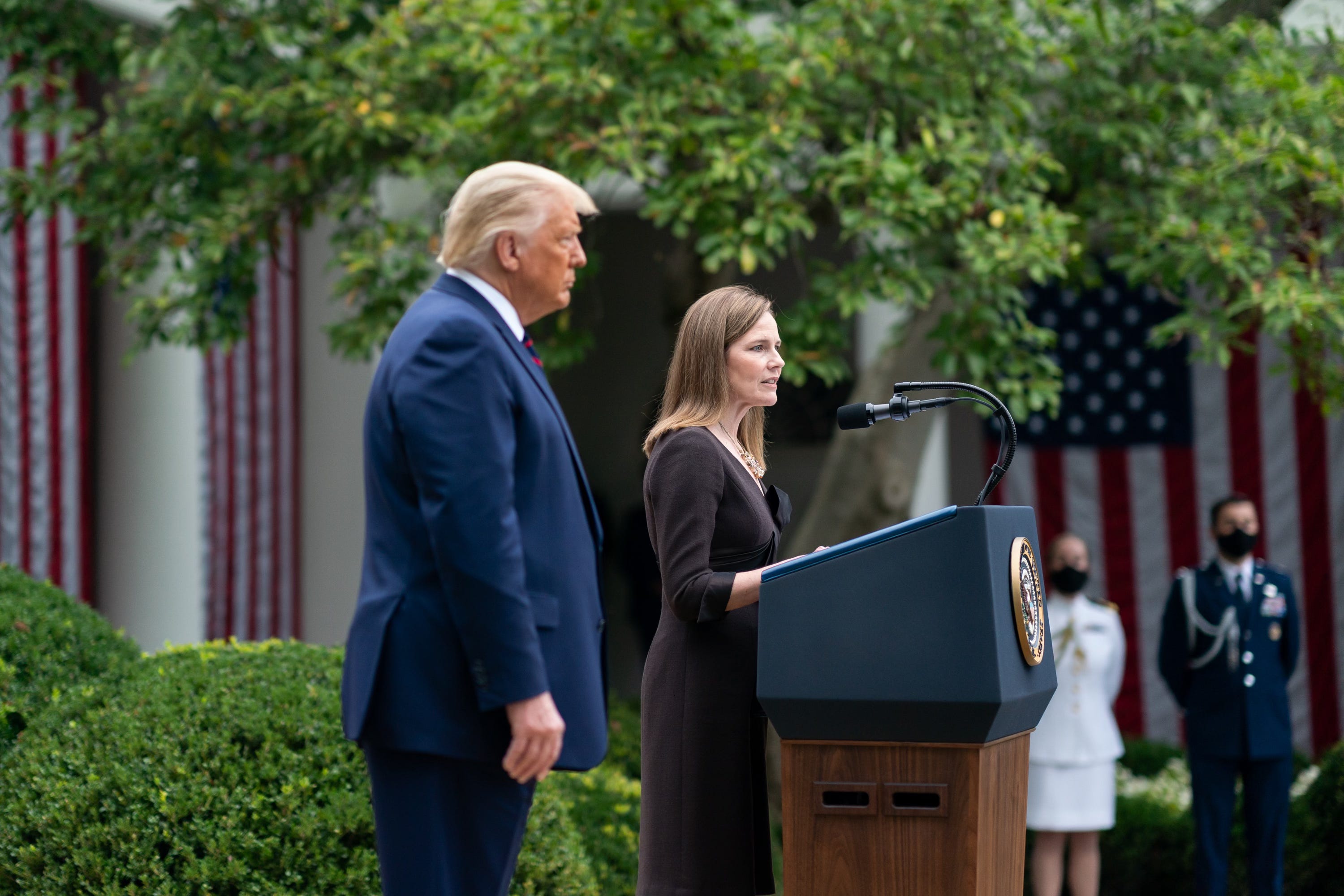
Amy Coney Barrett Listens to the Law
There is a pleasing modesty to the title of Justice Amy Coney Barrett’s new book, Listening to the Law. Judges, particularly Supreme Court justices, spend a great deal of time speaking. Barrett wants us to remember that their first obligation is to listen.
Her book is part memoir, part civics lesson and part explanation of how she thinks judges should do their jobs. It is not a tell-all. Anyone looking for gossip about the justices, inside accounts of conference-room battles or hints about future cases will be disappointed. Barrett deliberately avoids all of that. What she gives us instead is considerably more useful: an accessible explanation of judicial restraint, textualism and originalism from a justice actually putting those ideas into practice.
“Barrett is gentler about this than either Bork or Scalia. That is partly temperament and partly generational.”
The central idea is simple. Judges are not elected to make the world better according to their own lights. They are given authority to decide cases according to law. That requires a judge sometimes to reach a result she dislikes. If the Constitution leaves a question to the people and their elected representatives, the judge does not acquire jurisdiction merely because she thinks they have answered it badly.
Barrett’s discussion of originalism is especially good because she does not pretend that it is a machine into which one feeds history and out pops an indisputable answer. “I’m not an originalist because I think that history yields easy answers or prevents bad judging,” she writes. She is an originalist because she believes it is the right way to understand law.
Inevitably, I read those passages with my father in mind.
